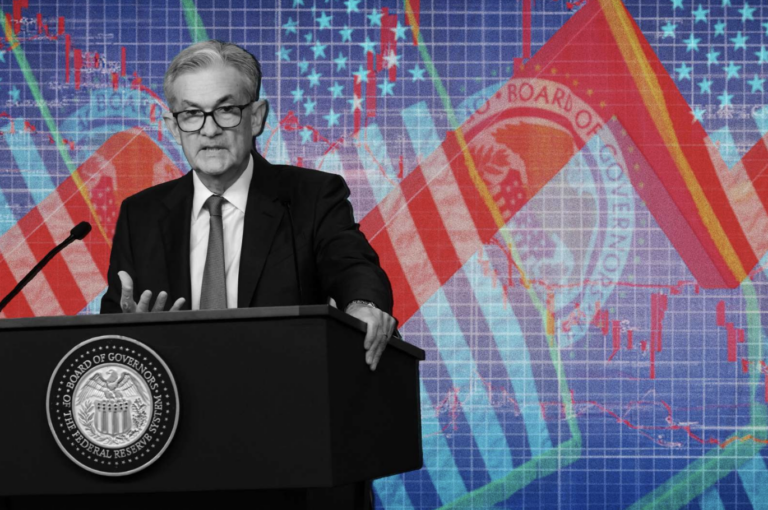
“We will stay the course until the job is done,” Powell concluded his speech at the Brookings Institution in Washington, D.C.
The Fed next meets Dec. 13 and Dec. 14 — and we’re likely looking at the seventh rate hike for 2022.
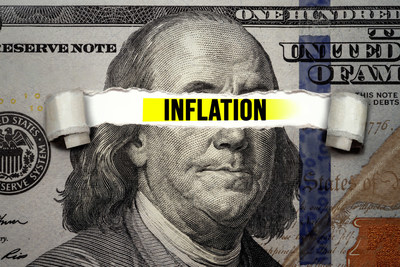
Inflation isn’t going away soon, but the Fed is also maintaining that some progress in the fight is being made and analysts say it’s possible that rate hikes could slow down in the months ahead.
Cook said Wednesday that we’ve started to see some signs of improvement in the inflation data.
Some prices are falling, she said, including wholesale prices for used cars and prices for key manufacturing components, like plastic resin and steel. The October report on consumer prices was encouraging, she said, and indicates that “inflation pressures on businesses may be easing.”
“Services, however, make up about two-thirds of consumer spending, and inflation in that sector has not yet slowed,” Cook said.
“Notably, inflation in housing costs shot up this year and will likely contribute substantially to overall inflation for some time.”
Cook’s remarks in Detroit gave a clear clue that higher interest rates and the fight against inflation aren’t over yet. She referred to inflation as being “unacceptably high.”
And she said inflation must be the Fed’s “primary focus.”
And she expressed some concerns that “growth in labor costs remains well above pre-pandemic rates.”
Referring to remarks made by the Fed’s policy committee in November, she said the Fed anticipates “ongoing increases.”
In her remarks, Cook noted that prices for services overall have accelerated sharply this year and may prove to be a persistent factor keeping inflation elevated.
“Demand for services continues to recover from its pandemic lows, with the release of pent-up demand for travel evident to anyone who has spent much time in DTW and other airports recently,” she told the audience.
Recession worries build for many
The big question from the audience Wednesday appeared to be about the likelihood of a recession. Answering several recession-related questions, she urged “caution and humility” about signals of a recession ahead.
“Luckily, we don’t have one” right now, she said of economic conditions in late November.
She acknowledged that the economy faces a highly uncertain time in the post-pandemic economy. “I am used to working in highly uncertain environments,” she said, indicating that she wrote her dissertation on the Russian banking environment in the 1990s.
As for the slowdown in the housing market, which some worry could fuel a recession, she said the falloff in housing is not like what the economy saw in the financial meltdown of 2008 because credit quality has been stronger.