Countriesaround the world are actively seeking alternatives to the US dollar for international trade and reserves. This trend has dramatically increased in 2025 as numerouscountriesare adopting different approaches to wean themselves off the American currency, reflecting a vital change in the world’s financial system since World War II.
As of writing, major economies from Asia, Africa, South America, and even some parts of Europe are following their own footsteps in leaving the dollar hegemony behind. This movement is fundamentally altering global trade patterns and also putting into question the international monetary arrangement which has been around for almost eight decades.
Complete List of Countries Leading De-Dollarization Efforts
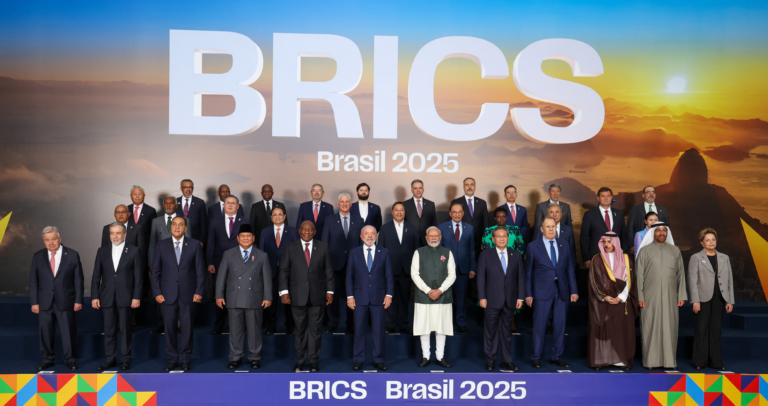
BRICSand Oil Producers
BRICScountriesset the pace in the global de-dollarization process by developing alternative payment mechanisms and transferring trade to local currencies. Some of the oil producers have started to accept non-dollar currencies for crude sales, weakening the system of petrodollar.
Global De-Dollarization Tracker – May 2025
| Country | De-Dollarization Activities | Country | De-Dollarization Activities |
|---|---|---|---|
China |
Promoting yuan (47% of its global transactions); trade agreements in yuan with 40+countries. |
Argentina |
Settling IMF dues and Chinese imports in yuan. |
Russia |
Reduced dollar holdings; uses ruble and yuan, SPFS system as SWIFT alternative. |
Nigeria |
Partnered withBRICS; aims to use local currencies in trade. |
India |
Pushing rupee in trade with Sri Lanka and UAE; RBI set up rupee accounts in 20countries. |
Algeria |
Transitioning to yuan and ruble for international trade. |
Brazil |
Trades with China in yuan and real; opened yuan clearing bank. |
Egypt |
Planning to conduct trade in local currency. |
South Africa |
Advocates local currencies for trade withinBRICS. |
Ghana |
Paying for oil imports with gold instead of dollars. |
Iran |
Selling oil in yuan and ruble; uses Mir payment system. |
Zimbabwe |
Launched gold-backed digital currency (ZiG). |
Turkey |
Expanding use of local currencies in trade deals. |
Pakistan |
Paying for Russian oil in yuan. |
Bangladesh |
Settling nuclear plant deal with Russia in yuan. |
Cuba |
Using yuan and euro to circumvent sanctions. |
Saudi Arabia |
Accepting yuan for oil exports to China. |
UAE |
Conducting trade with China and India in non-dollar currencies. |
Asian and CISCountries
The ASEAN bloc has made significant progress in establishing local currency settlement frameworks, reducing transaction costs and enhancing regional financial cooperation. Meanwhile, Commonwealth of Independent States (CIS) members are conducting approximately 85% of cross-border transactions using local currencies rather than the US dollar, following Russia’s lead in creating alternative payment infrastructures.
Global De-Dollarization Tracker – Asia & Eurasia Focus (May 2025)
Data compiled from global financial reports and trade statistics
| Country | De-Dollarization Activities | Country | De-Dollarization Activities |
|---|---|---|---|
Malaysia |
Promoting local currencies in cross-border trade with neighboring nations. |
Mauritius |
Negotiating trade in Indian rupees to reduce dependence on the US dollar. |
Indonesia |
Supporting local currency use via the ASEAN Payment Network. |
Armenia |
Engaged in CIS bloc de-dollarization efforts to limit dollar dependency. |
Thailand |
Utilizing QR payments and local currencies in ASEAN trade to cut costs and boost inclusion. |
Azerbaijan |
Participating in CIS move toward 85% of transactions in local currencies. |
Philippines |
Joining ASEAN efforts for local currency settlements to boost economic resilience. |
Belarus |
Following Russia’s lead in reducing dollar-based transactions. |
Singapore |
Advancing digital cross-border payments outside the US dollar system. |
Kazakhstan |
Central bank pushing to lower dollar usage and stabilize national currency amid inflation. |
Sri Lanka |
Advocating use of Indian rupee for imports to cut dollar dependence. |
Luxembourg |
Promoting currency diversification and digital trade systems outside the dollar framework. |
African Nations
Africancountriesare increasingly seeking monetary sovereignty through de-dollarization initiatives. There are several East African Community members who are jointly working on regional currency initiatives while some have prohibited the use of foreign currencies in all domestic transactions.
Global De-Dollarization Tracker – Africa Focus (May 2025)
Data compiled from regional financial reports and trade developments
| Country | De-Dollarization Activities | Country | De-Dollarization Activities |
|---|---|---|---|
Tanzania |
Banned foreign currencies for domestic transactions to strengthen the local shilling. |
Malawi |
Working toward local currency trade. |
Kenya |
Exploring the use of yuan for oil payments. |
Sierra Leone |
Seeking alternatives to the US dollar in trade and financial exchanges. |
Ethiopia |
JoinedBRICSon Jan 1, 2024; exploring regional trade frameworks. |
Guinea |
Looking into local currency settlements. |
South Sudan |
Discussing non-dollar regional trade to improve economic resilience. |
Liberia |
Reducing reliance on the US dollar in trade. |
Cameroon |
Engaging with Russia and China outside the dollar system. |
Côte d’Ivoire |
Promoting the use of local currencies in trade. |
Senegal |
Trading with China using yuan. |
Togo |
Discussing policy shifts toward local currencies in international transactions. |
Uganda |
Using yuan in China trade to cut dollar dependence. |
Benin |
Using regional currencies in trade agreements. |
Rwanda |
Building de-dollarized trade relationships. |
Niger |
Reducing dollar use in cross-border trade. |
Burundi |
Participating in East African Community de-dollarization initiatives. |
Chad |
Promoting regional currencies to reduce dollar exposure. |
DR Congo (DRC) |
Increasing trade volumes in yuan. |
Central African Rep. |
Using local currencies in trade agreements. |
Namibia |
Exploring local currency use in regional trade. |
Gabon |
Developing alternatives to dollar-based transactions. |
Mozambique |
Transitioning to local currencies for trade. |
Equatorial Guinea |
Pushing de-dollarization with Central African partners. |
Zambia |
Conducting trade in non-dollar currencies. |
Source: Iran Chamber of Commerce, Industries, Mines and Agriculture
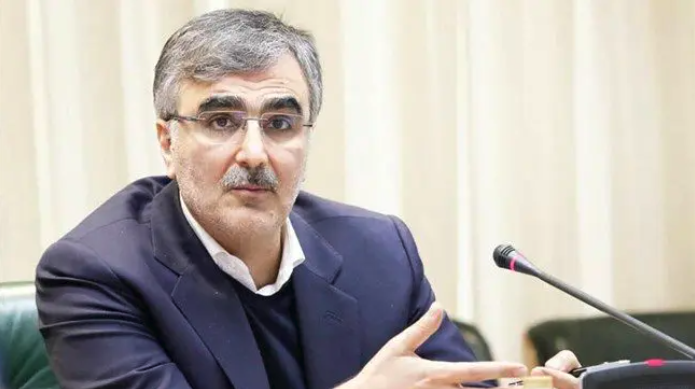
TheBRICSalliance has created alternative payment systems and increased trade in local currencies. Their collective efforts represent the most organized challenge to dollar hegemony in recent years.
Mohammad Reza Farzin was clear about the fact that:
“We (BRICSmembers Iran and Russia) have entered into a currency agreement with Russia and fully removed the US dollar. Now we only trade in rubles and rials.”
Commonwealth of Independent States Forms Dollar-Free Zone
Eleven CIS nations have announced plans to stop using the dollar, and they are currently conducting about 85% of cross-border transactions using local currencies instead of the US dollar.
Vladimir Putin said during a CIS meeting:
“The use of national currencies is widening in mutual payments. Their share in commercial operations among CIS participants has already been above 85%. The process of import phase-out is moving quickly, and thus the technology sovereignty of our country is being strengthened.”
Saudi Arabia Ends Half-Century of Dollar Exclusivity
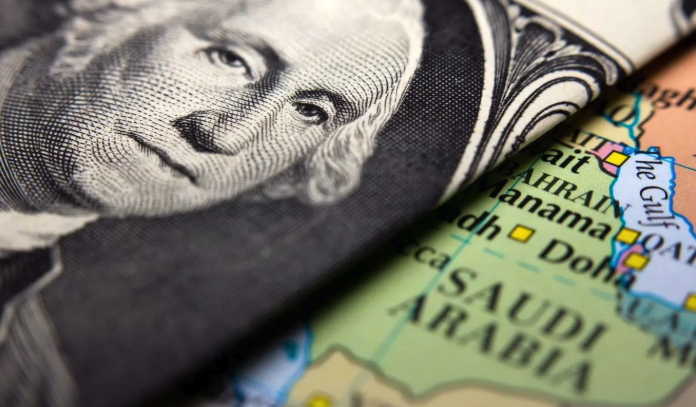
Saudi Arabia’s decision to accept non-dollar currencies for oil transactions marks a historic shift in the petrodollar system that was established back in the 1970s.
Ghana’s Vice President Mahamudu Bawumia stated regarding their own de-dollarization efforts:
“The barter of gold for oil represents a major structural change.”
Trump Threatens Tariffs Against De-Dollarizing Nations
The United States has responded forcefully to the de-dollarization trend, with political and economic warnings againstcountriesabandoning the dollar.
President Donald Trump declared:
“Manycountriesare leaving the dollar. They not going to leave the dollar with me. I’ll say, you leave the dollar, you’re not doing business with the United States because we’re going to put 100% tariff on your goods.”
Financial Experts Assess Dollar’s Future
Leading financial institutions have acknowledged the shifting landscape while noting the dollar’s continued importance in global markets. Nevertheless, experts suggest this dominance may be waning.
Joyce Chang, Chair of Global Research at J.P. Morgan, acknowledged:
“The dollar’s role in global finance and its economic and financial stability implications are supported by deep and liquid capital markets, rule of law and predictable legal systems, commitment to a free-floating regime, and smooth functioning of the financial system for USD liquidity and institutional transparency.”
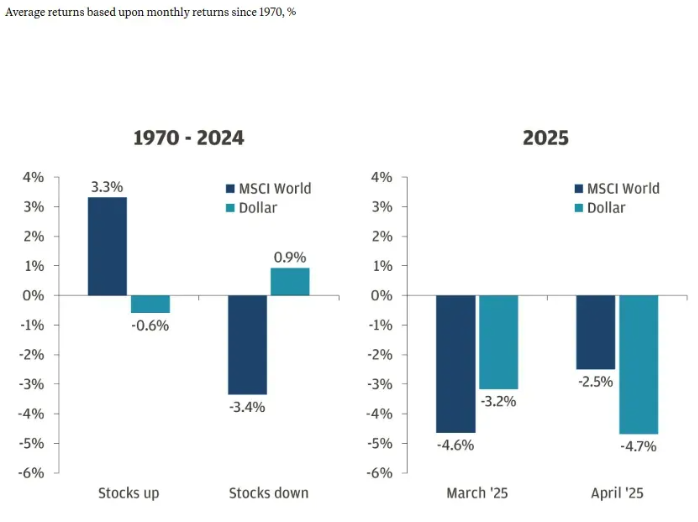
Source: J.P. Morgan Wealth Management, Bloomberg Finance L.P.
S&P Chief Economist Paul Gruenwald offered this assessment:
“The U.S. (dollar) will continue to be a leading world currency, (but) it will no longer be the dominant world currency.”
Thecountriesthat want to gain monetary sovereignty and are oriented towards the protection from sanctions in dollars still adhere to the de-dollarization movement. Furthermore, many nations are creating alternative payment systems to reduce their vulnerability. Although the dollar will continue being powerful for a couple of more years, its undisputed supremacy seems to be declining now, and consequently, the repercussions for the international monetary system as well as we know it are dramatic.